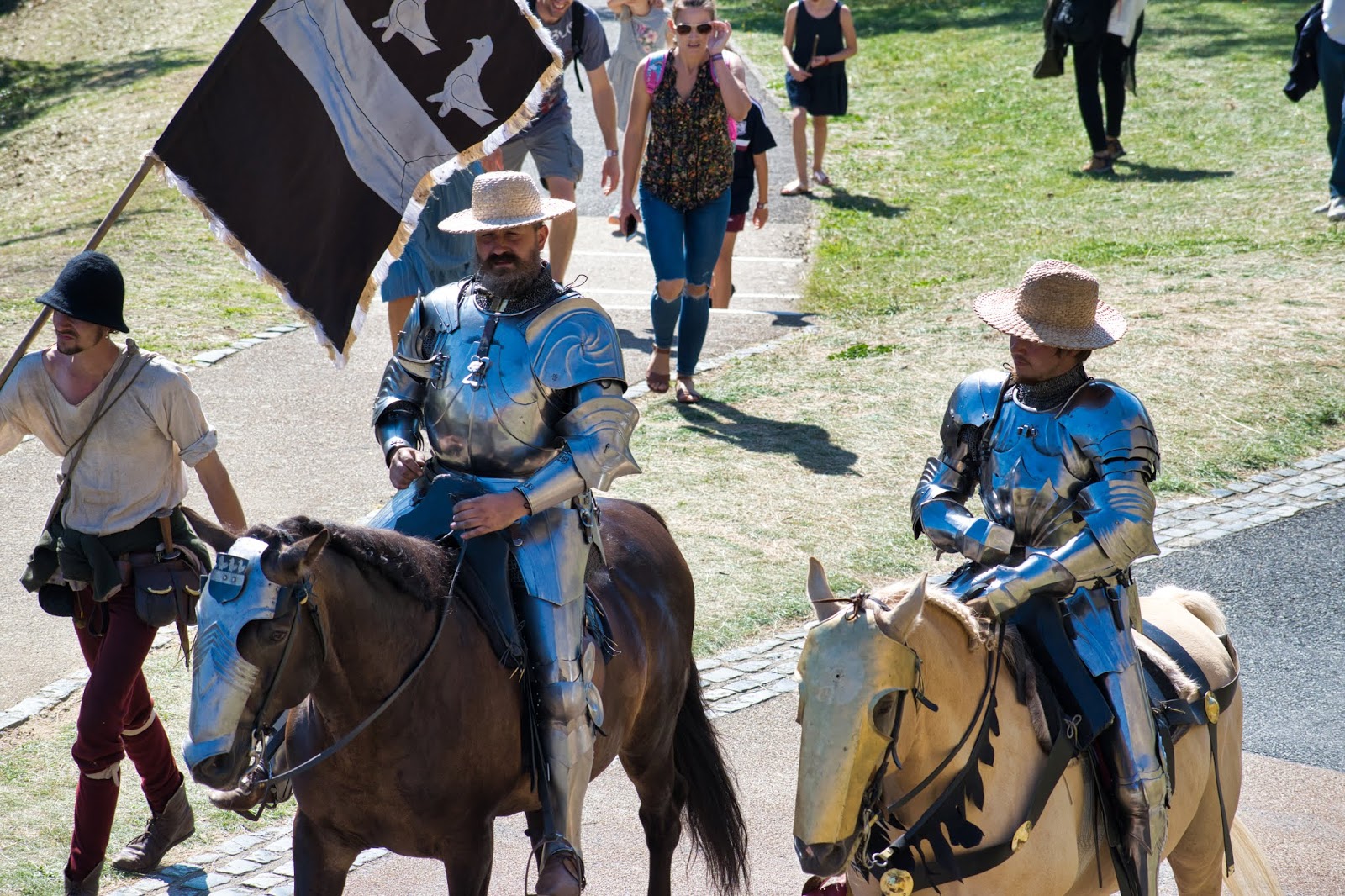
Jousting is a martial game or hastilude between two horsemen wielding lances with blunted tips, often as part of a tournament.
The primary aim was to replicate a clash of heavy cavalry, with each participant trying hard to strike the opponent while riding towards him at high speed, breaking the lance on the opponent's shield or jousting armour if possible, or unhorsing him.
The joust became an iconic characteristic of the knight in Romantic medievalism. The participants experience close to three and a quarter times their body weight in G-forces when the lances collide with their armour.
Jousting was discontinued in favour of other equestrian sports in the 17th century, although non-contact forms of "equestrian skill-at-arms" disciplines survived. There has been a limited revival of theatrical jousting re-enactment since the 1970s.
English Heritage promoted a "free field" Joust session in the castle of Dover during the summer of 2019, and we had to be there to see it. After all, it is not every day you have the chance to see a historical sport as such.
I recently bought a new camera. Nothing fancy, just an entry level DSLR from Nikon. I needed a nice tool to capture my newly born daughter's best moments. Thing is... I started learning about shooting photos in other modes than "Auto"... and I started really enjoying it... I created this blog so I can share some of the shots I make!
Showing posts with label Monuments. Show all posts
Sunday, 25 August 2019
Sunday, 24 February 2019
Tichfield Abbey
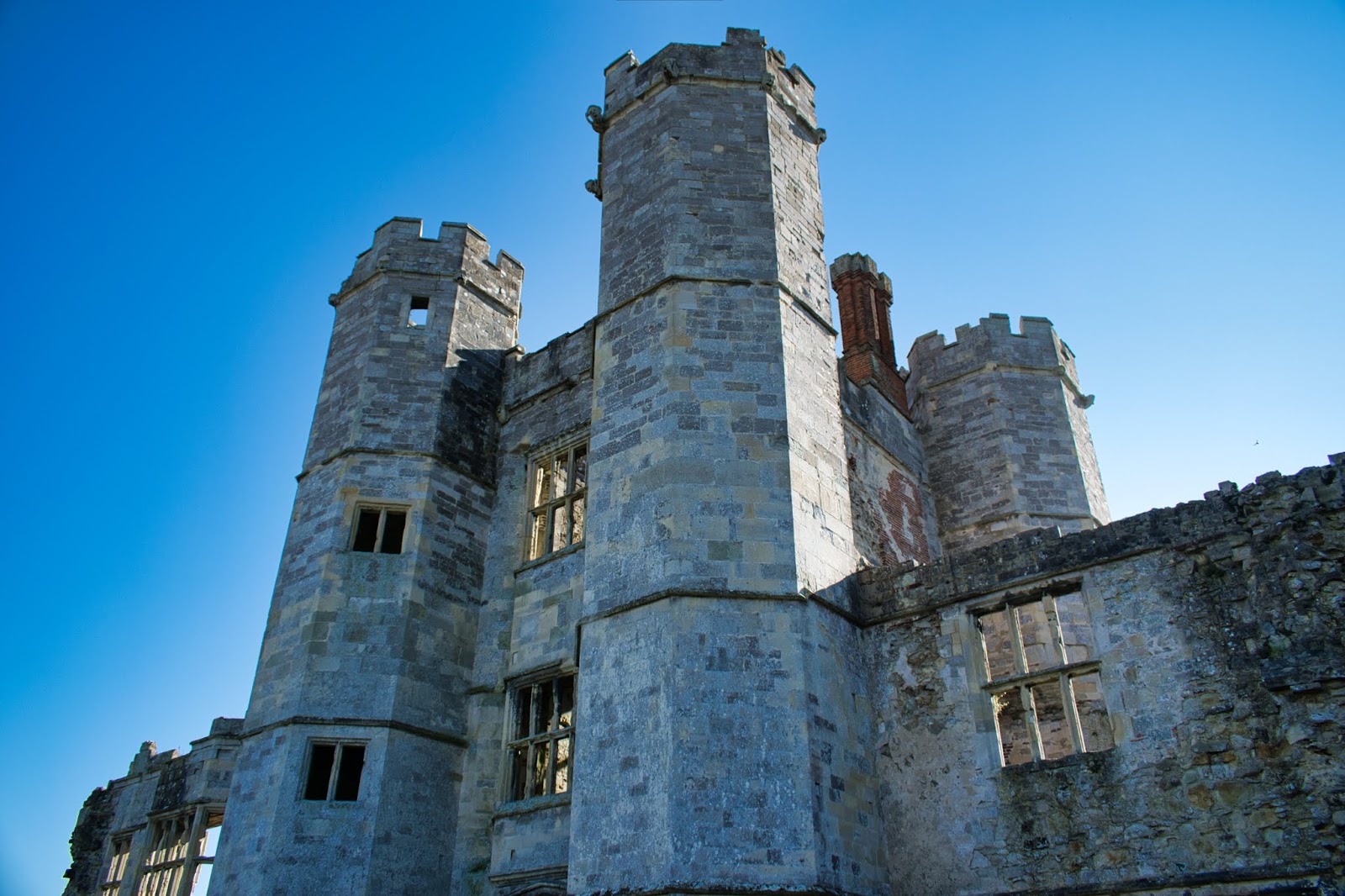
Titchfield Abbey is a medieval abbey and later country house, located in the village of Titchfield near Fareham in Hampshire, England. The abbey was founded in 1222 for Premonstratensian canons, an austere order of priests. The abbey was a minor house of its order, and became neither wealthy nor influential during its three centuries of monastic life; the inhabitants were devoted to scholarship, as shown by their very impressive library.
The abbey was closed in 1537 by Henry VIII of England during the Dissolution of the Monasteries and the building was converted into a mansion by Thomas Wriothesley, a powerful courtier. Later in the sixteenth century the mansion was home to Henry Wriothesley, who was a patron of William Shakespeare. In 1781 the mansion was abandoned and partially demolished. The remains were purchased by the government in the early twentieth century and are now a Scheduled Ancient Monument under the care of English Heritage.
Subscribe to:
Posts (Atom)