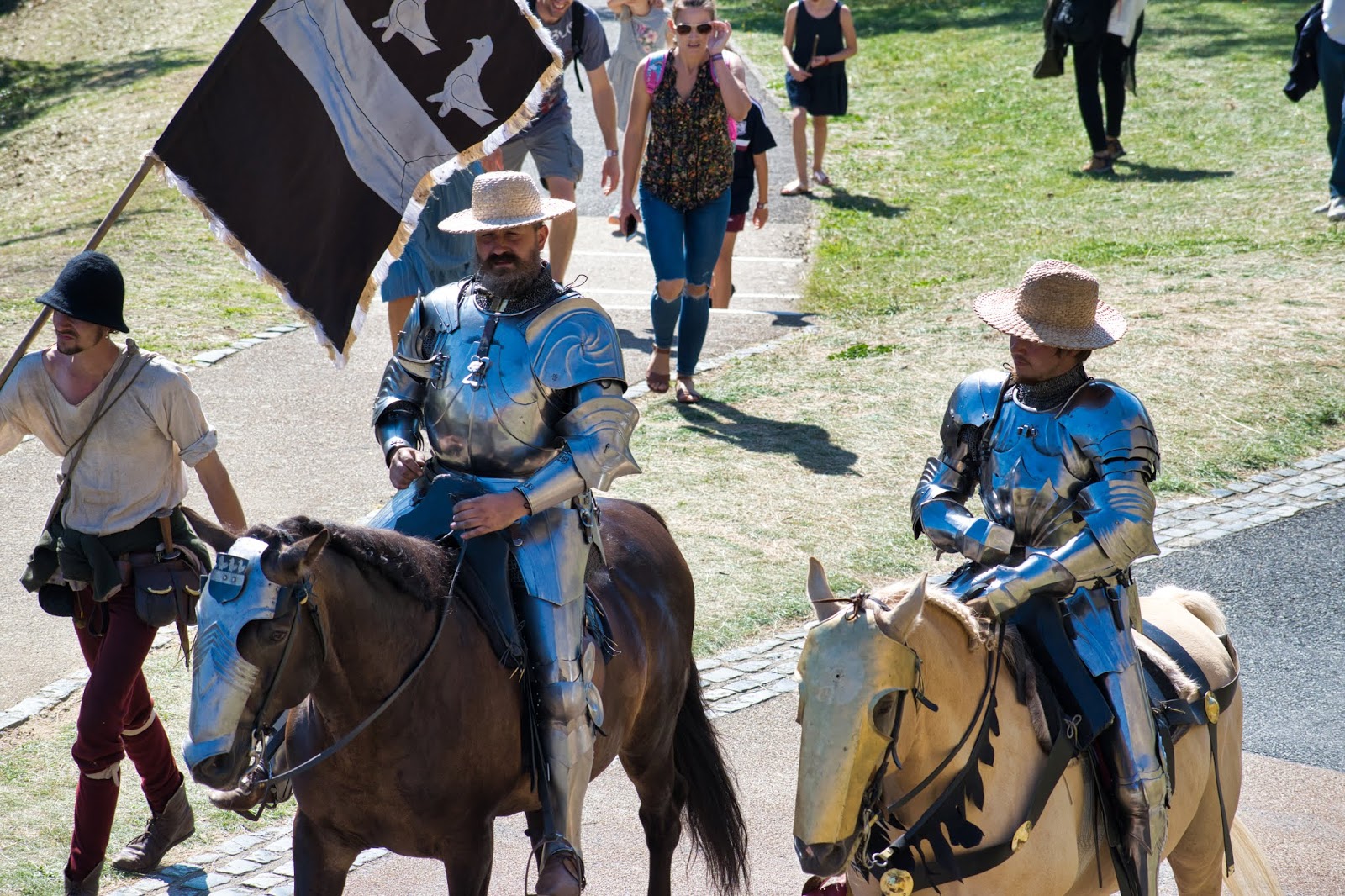
Jousting is a martial game or hastilude between two horsemen wielding lances with blunted tips, often as part of a tournament.
The primary aim was to replicate a clash of heavy cavalry, with each participant trying hard to strike the opponent while riding towards him at high speed, breaking the lance on the opponent's shield or jousting armour if possible, or unhorsing him.
The joust became an iconic characteristic of the knight in Romantic medievalism. The participants experience close to three and a quarter times their body weight in G-forces when the lances collide with their armour.
Jousting was discontinued in favour of other equestrian sports in the 17th century, although non-contact forms of "equestrian skill-at-arms" disciplines survived. There has been a limited revival of theatrical jousting re-enactment since the 1970s.
English Heritage promoted a "free field" Joust session in the castle of Dover during the summer of 2019, and we had to be there to see it. After all, it is not every day you have the chance to see a historical sport as such.
I recently bought a new camera. Nothing fancy, just an entry level DSLR from Nikon. I needed a nice tool to capture my newly born daughter's best moments. Thing is... I started learning about shooting photos in other modes than "Auto"... and I started really enjoying it... I created this blog so I can share some of the shots I make!
Showing posts with label landmarks. Show all posts
Sunday, 25 August 2019
Sunday, 17 February 2019
Farnham Castle Keep
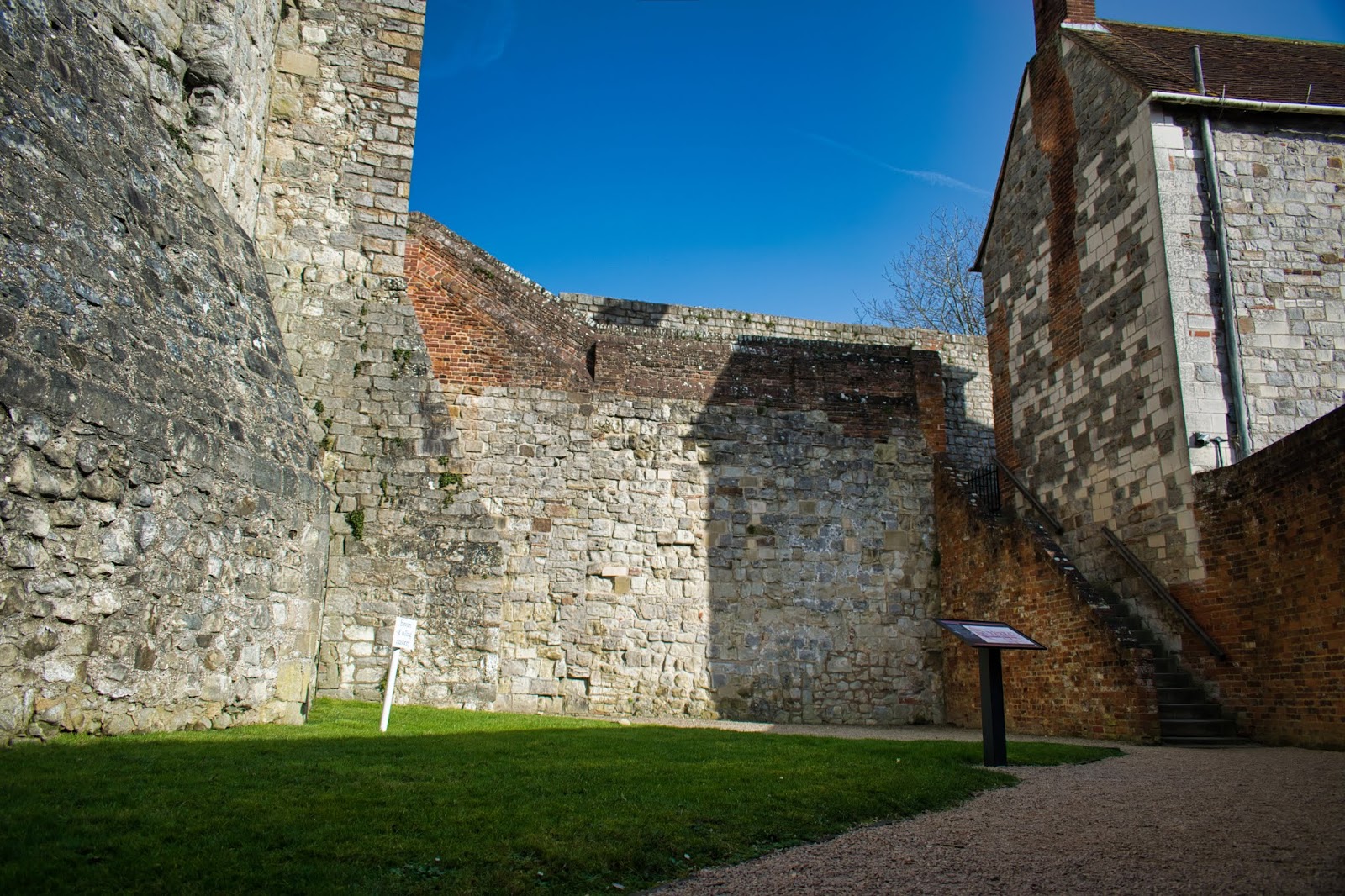
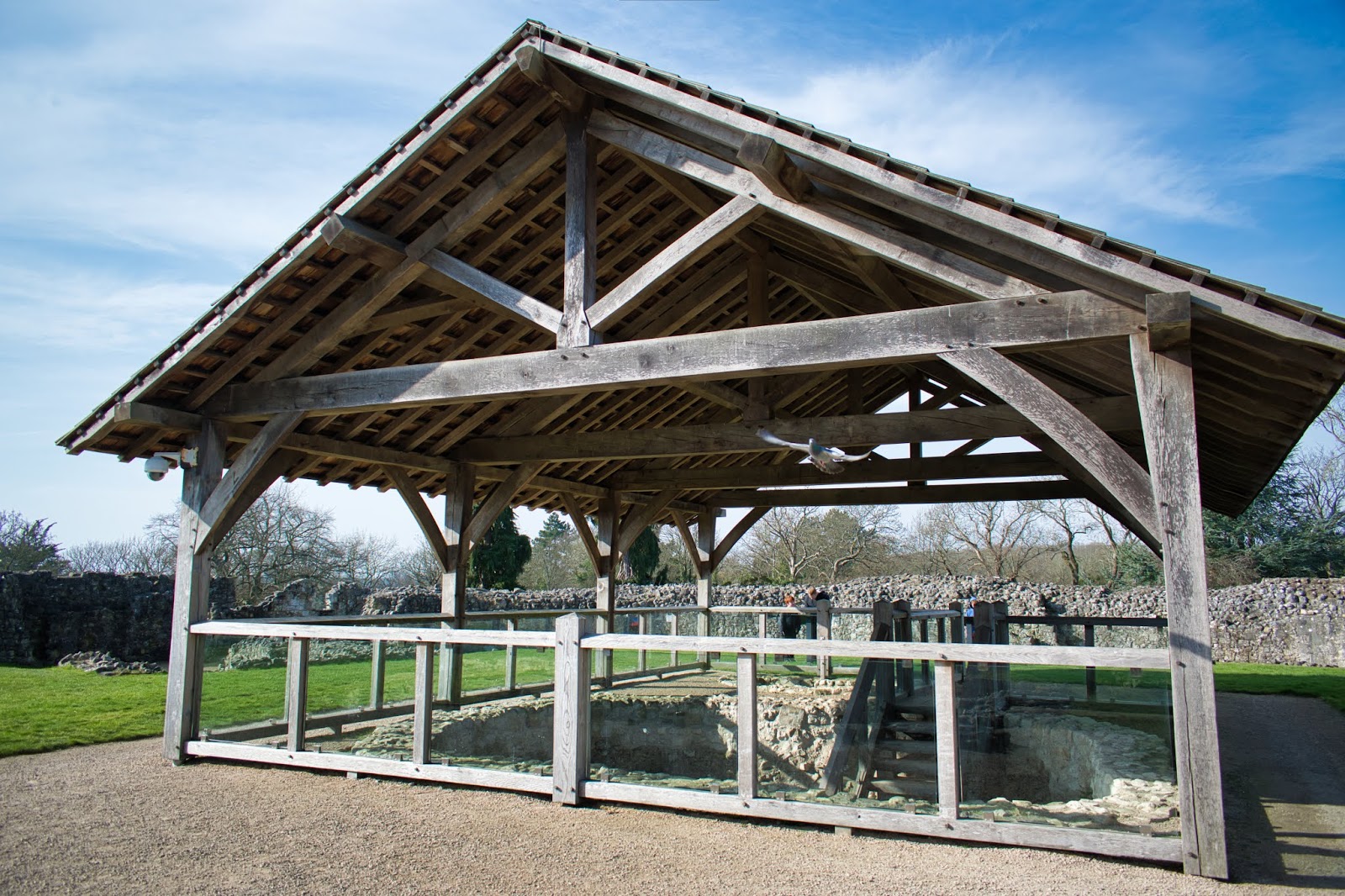
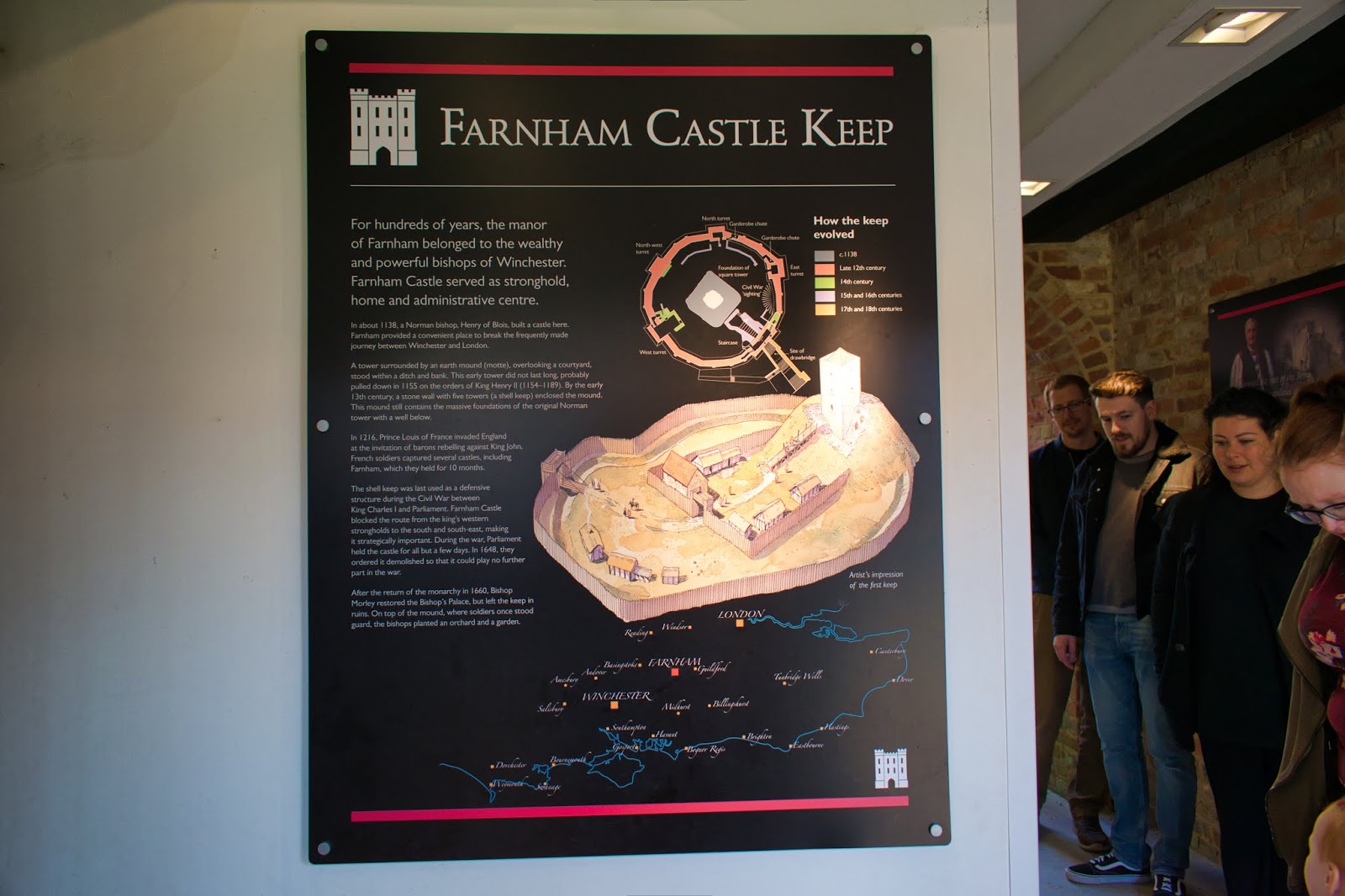
Farnham Castle is a 12th century castle in Farnham, Surrey, England, formerly the residence of the Bishops of Winchester.
Built in 1138 by Henri de Blois, Bishop of Winchester, grandson of William the Conqueror, Farnham castle became the home of the Bishops of Winchester for over 800 years. The original building was demolished by Henry II in 1155 after the Anarchy and then rebuilt in the late 12th and early 13th centuries.
In the early 15th century, it was the residence of Cardinal Henry Beaufort who presided at the trial of Joan of Arc in 1431. It is for this reason that St Joan of Arc's Church in Farnham is dedicated to her.
The castle was slighted again after the Civil War in 1648. Since then more buildings have been constructed in the castle's grounds, the most impressive being those built by Bishop George Morley in the 17th century.
Built in 1138 by Henri de Blois, Bishop of Winchester, grandson of William the Conqueror, Farnham castle became the home of the Bishops of Winchester for over 800 years. The original building was demolished by Henry II in 1155 after the Anarchy and then rebuilt in the late 12th and early 13th centuries.
In the early 15th century, it was the residence of Cardinal Henry Beaufort who presided at the trial of Joan of Arc in 1431. It is for this reason that St Joan of Arc's Church in Farnham is dedicated to her.
The castle was slighted again after the Civil War in 1648. Since then more buildings have been constructed in the castle's grounds, the most impressive being those built by Bishop George Morley in the 17th century.
Subscribe to:
Posts (Atom)